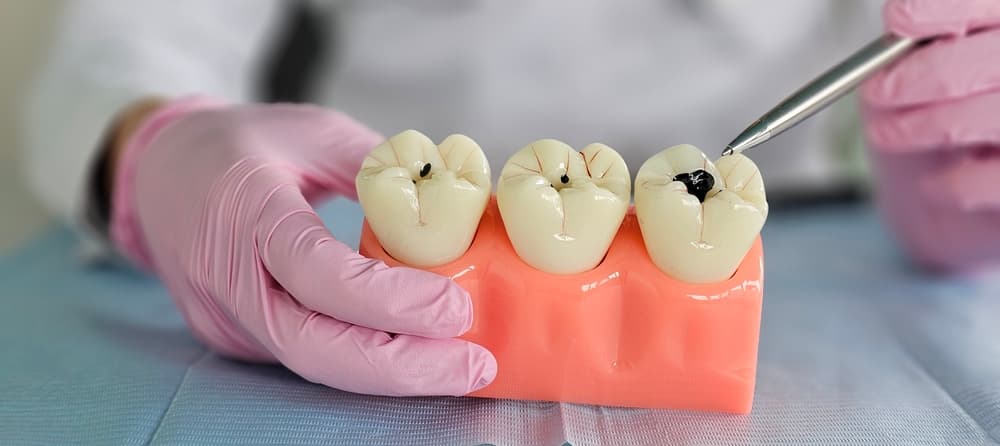
Dental decay, often referred to as tooth decay or dental caries, is a process where acids gradually damage the hard surface of the tooth. This process starts when plaque bacteria interact with sugars found in foods and drinks. The bacteria convert these sugars into acids, which then attack the enamel.
Enamel is the outer protective layer of the tooth. Although it is the hardest substance in the human body, repeated acid exposure can weaken it over time. When enamel loses essential minerals, the tooth becomes more vulnerable to damage. In the early stages, this damage may not cause discomfort, which is why decay can develop without being noticed.
Key points about how decay develops include:
Understanding these early steps highlights why prevention and early care are so important. Addressing risk factors early can help limit the need for complex dental treatment later.
Fluoride is a naturally occurring mineral that strengthens enamel and helps teeth resist acid attacks. Its primary benefit lies in supporting remineralisation, a natural repair process where minerals are redeposited into weakened enamel. This process can slow down or even reverse early stages of decay before cavities form.
Using fluoride toothpaste twice a day is one of the most effective ways to support enamel health. Each brushing provides a topical layer of fluoride that reinforces tooth surfaces. Fluoride mouthwash can offer additional protection, especially for individuals who are more prone to decay due to diet, medical conditions, or reduced saliva flow.
In some situations, a dentist may recommend a higher-strength fluoride toothpaste to provide extra support. This is often advised for patients with repeated decay, exposed root surfaces, or orthodontic appliances that make cleaning more challenging.
While fluoride is highly effective, it works best as part of a consistent oral care routine. Brushing thoroughly, cleaning between teeth, and being mindful of sugar intake all contribute to reducing acid exposure. Fluoride complements these habits by strengthening enamel against the challenges it faces each day.
Diet also plays an important role. Frequent snacking on sugary or acidic foods increases the number of acid attacks on teeth. Reducing how often these foods are consumed helps give enamel time to recover between meals. Drinking water and maintaining regular oral hygiene routines further support this balance.
Routine dental visits are another essential part of prevention. Dental professionals can detect early signs of decay, provide tailored advice, and recommend appropriate fluoride products based on individual needs.
Dental decay develops in stages, and understanding these stages can encourage early action:
Enamel Demineralisation
This initial stage may appear as white spots on the tooth surface. At this point, fluoride use and improved oral hygiene can help restore lost minerals.
Dentine Involvement
If decay progresses beyond enamel, it reaches dentine, the softer layer beneath. This stage may cause sensitivity, particularly to temperature changes.
Pulp Involvement
Advanced decay can reach the pulp, which contains nerves and blood vessels. This may result in pain or infection and often requires more involved treatment.
Addressing decay in its early stages reduces the likelihood of discomfort and complex procedures. Fluoride plays a particularly valuable role in the first stage, where repair is still possible.
Preventing dental decay is an ongoing process built on simple, consistent habits. Daily use of fluoride toothpaste, sensible dietary choices, and regular dental care all work together to protect teeth. Fluoride supports enamel strength, slows down decay, and assists early repair when changes are detected promptly.
If you have concerns about dental decay or fluoride use, professional advice can help clarify the most suitable approach for your needs. To discuss your oral health or arrange an appointment, contact Hoburne Dental Practice on 01425 277 245. Regular guidance and early support play an important role in maintaining healthy, functional teeth throughout life.